
Most parents know how fun but tiresome a family road trip may be. Thinking of logistics, planning sightseeing, and managing hustle and bustle are notorious parts of every trip. To make the whole activity easier, families know how important it is to prepare something to eat while on the road. Twenty minutes into a few-hour drive, someone in the back asks, “What can I grab to eat?” While it’s inevitable, a good road trip snack box may come in handy. It helps families avoid impulsive shopping at usually cost-prohibitive gas stations. Discover how to build a nutritious snack box.

Pre-Planning of Snacks
Every parent may agree that children get hungry at lightning speed, even after taking a nutritious meal. When hungry, they become naughty and create a tense atmosphere in a vehicle. Planning a snack may save both effort and nerves. First, it minimizes the number of unplanned stops. Secondly, a proper snack box saves children from sugar-rich meals that cause hunger faster.
It’s fair to say that the content of a box largely varies from family to family. Some may need to adjust it to dietary habits. If there are none, protein-based light meals are a go-to choice. For instance, protein-heavy pork jerky options may provide necessary saturation. They will keep hunger away longer than any alternative sugary snack.
Snack Box Strategy That Actually Works
As mentioned, well-thought-through snack boxes change the atmosphere of a road trip if there are children. Parents distribute them per kid, considering every preference. It helps avoid digging through bags in pursuit of finding something to eat.
A balanced nutrient snack box may include:
- Protein-heavy meals. Jerkies, nuts, and cheese will keep hunger away longer.
- Carbs. They aren’t as nutrient-dense as proteins but provide everyone with quick energy. For instance, crackers may fit.
- Fresh items. Quick energy can also come from eating apples and grapes. Cutting fruits into slices also helps avoid mess in a vehicle.
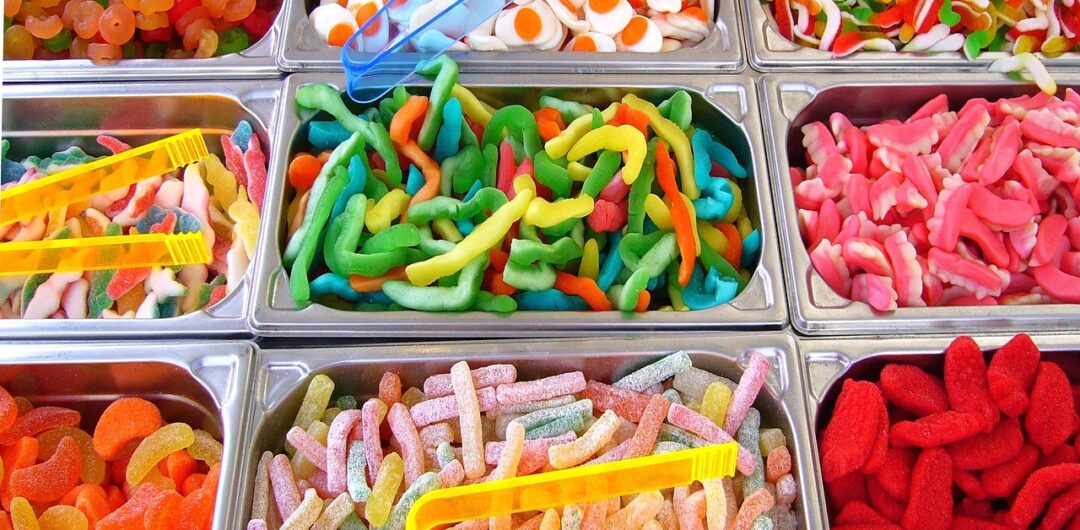
- Sweets. It would be unfair to deprive kids of sweet treats. 1-2 items per box is enough.
Alongside such box content, there should always be water, a still one. It keeps one hydrated and doesn’t make them crave drinking more like sodas.
The Well-Deserved Spotlight of Protein-Heavy Snacks
Who hasn’t thought of eating a chocolate bar to satisfy hunger? Probably, we have all been there. While sugar-rich snacks grant satisfaction and quick energy, they aren’t a thing for long rips. Within fifteen to thirty minutes, a kid will search for another refill. That’s why protein snacks can partially solve this problem.
These snacks digest more slowly. They require longer and more complex breakdown in one’s stomach and intestine. Research suggests that protein is associated with stimulating hormones responsible for fullness. It particularly concerns peptide YY and glucagon-like peptide-1, which both, in turn, reduce the level of ghrelin, a hunger hormone.
Expenses on Snack Boxes
When a whole road trip is planned, including possible stops while on the road, families risk spending more on gas stations. While it’s not a big stress to the pockets of one-kid families, those with 2 or more kids can see a difference. The choice of snacks at gas stations is usually enormous. Besides, marketing ensures that all sugar-rich items are near the cashier. As a result, children want to take them all. Spending forty to fifty dollars on snacks alone is a possible outcome.
Planning snacks ahead minimizes that overspending. Parents buy food in advance and in bulk. Buying it at local groceries may be twice as cheap. That saved money could then be spent on other activities.
Portioning Snacks for Everyone
Buying snacks in advance and in bulk is a great strategy. However, not pre-portioning them is a real crime for long-hour trips. A parent will need to equally distribute pieces and calm everyone down that the food is enough for every member.
Check how to portion snacks for everyone. The following habits make a huge difference in comfort:
- All meals should be equally distributed in daily portions. The longer the trip, the bigger a snack box. Note: for some snacks, a car refrigerator is a must.
- Stick to small containers. Kids are smart and can overeat one item and then skip a more nutrient-dense lunch.
- Rotate the choice of snacks. Long-hour trips may become boring when eating the same items.
These practices make snacking predictable and easy. Parents plan portions in advance and can enjoy the trip without thinking of their children’s hunger.

Combating the Mess Factor
A trip isn’t a genuine trip without some kind of mess. It especially concerns car trips. Children will for sure leave sticky fingers on windows. They will definitely throw crackers on the floor mats. It’s an inevitable story.
To at least minimize that mess, pre-planning of meals partially protects parents. Some foods don’t have tiny crumbs and won’t leave stains on the interior. Jerky, cheese sticks, and whole fruits may fit that. Parents should limit sweets with chocolate or powder, since they will be everywhere. Finally, a small trash bag and wet wipes should be available too.
Family Snack Box: Snacks for Different Ages
Depending on the family, there might be some age adjustments to snacks. For instance, families with toddlers will need to plan and portion smaller and softer snacks. The items should be in small pieces, since the road may be jumpy, and a toddler may start coughing.
When there is a teenager, things are easier. Balanced volume of foods prevents parents from listening to how hungry their kid is every minute. Carbs and proteins are good options for them.
Family Snack Box: Final Thoughts
Road trips are full of fun and unpredictability. Some enjoy them, while some struggle to sit in one place steadily for hours. Snacks are always a treat to lighten the mood and recharge energy. Buying food in advance, in bulk, and pre-portioning it per everyone’s preferences is a great strategy to minimize the stress of the trip. Use the mentioned tips, and enjoy the journey.