
Travel focused on food works best when meals shape the day with local flavor without over-planning. A market breakfast, neighborhood lunch, afternoon bakery stop, and dinner near your hotel create structure while leaving space for places discovered on foot.
Source: Unsplash
Cultural curiosity also extends beyond cuisine, and travelers interested in cross-cultural relationships might encounter communities, conversations, or platforms such as https://ladadate.com/russian-brides while learning about how people connect across countries.
Food-Focused Travel: How to Find Local Flavor Without Over-planning – Food Travel Without a Packed Schedule

A food trip does not need six reservations per day. The better approach is to choose one or two culinary anchors, then explore the streets, markets, and smaller businesses around them.
Plan One Main Meal
Book one meal that matters, such as a regional tasting menu, historic restaurant, or hard-to-access local specialty. Leave breakfast and lunch open so the rest of the day remains flexible.
Build Around an Area
Choose a neighborhood rather than a list of restaurants. Walkable districts with bakeries, food shops, cafés, and produce markets offer several options within a small radius.
A loose plan might include:
- Coffee and pastry near the hotel.
- A produce market before noon.
- Lunch wherever locals gather around 1:00 p.m.
- A small specialty shop in the afternoon.
- Dinner near the evening activity.
This format keeps the day coherent while preserving room for surprise.
Food-Focused Travel: How to Find Local Flavor Without Over-planning – Finding Local Food Through Place

The strongest food discoveries rarely begin with a ranking. They begin with observing where residents shop, what sells out early, and which dishes appear across several independent businesses.
Start at Markets
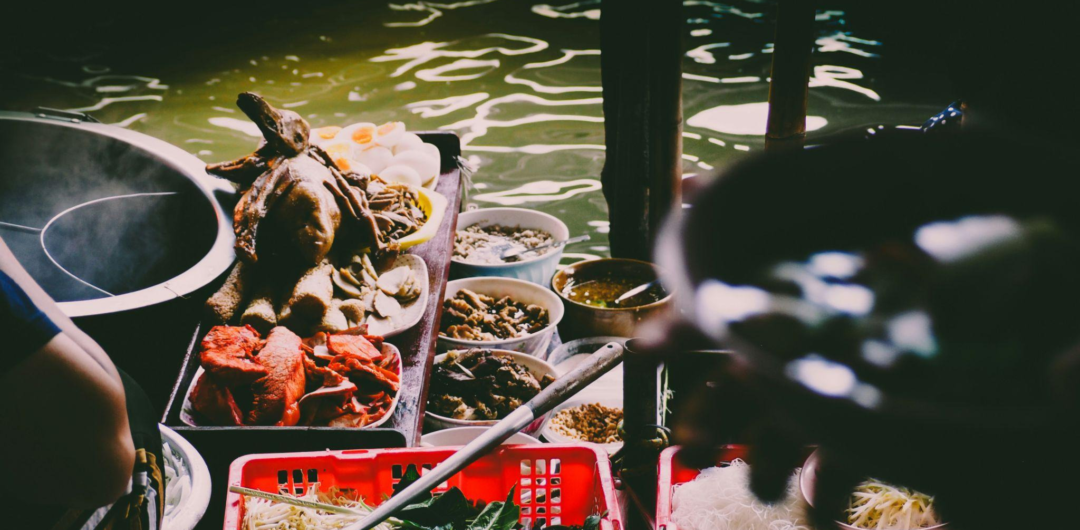
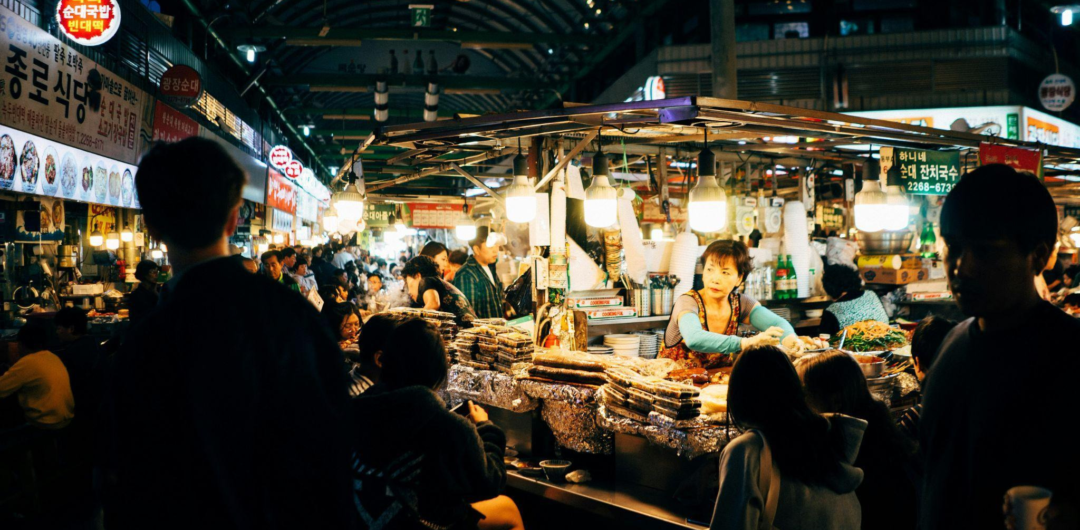
Markets reveal seasonal produce, regional cheeses, breads, cured meats, seafood, herbs, and prepared dishes in one place. Arrive early enough to see what locals buy rather than visiting only during peak tourist hours.
Walk Residential Streets
Neighborhood cafés and family-run restaurants outside major sightseeing streets often serve more routine local food. Menus tend to reflect nearby workers, residents, and families rather than visitors looking for famous dishes.
Ask Specific Questions
“Where should I eat?” produces broad answers. “Where would you go for soup near here?” or “Which bakery makes the best morning pastry?” gets a more useful response.
Good questions also uncover different kinds of places:
| Question to Ask | What It Reveals | Best Time to Use It |
| Where do you buy bread? | Local bakery | Morning |
| What dish is seasonal now? | Current specialty | Lunch |
| Where do families eat nearby? | Casual restaurant | Evening |
| Which market stall is best for cheese? | Trusted vendor | Market visit |
| Where do you go for dessert? | Café or pastry shop | Late afternoon |
The narrower the question, the more personal the recommendation tends to become.
Follow Local Producers
Small producers give food context that restaurants sometimes hide. Cheese makers, bakeries, olive oil shops, vineyards, coffee roasters, and smokehouses show how regional products move from source to plate.
Food-Focused Travel: How to Find Local Flavor Without Over-planning – Leave Space for Spontaneous Discoveries

A fully booked day makes accidental discoveries difficult. Keep at least one meal unreserved, especially lunch, when markets and neighborhood restaurants reveal the most daily rhythm. That might mean changing neighborhoods because a shopkeeper mentioned a street-food area or skipping dessert at dinner because you found a specialist pastry counter on the walk back.
Food-Focused Travel: How to Find Local Flavor Without Over-planning – Keep the Logistics Simple
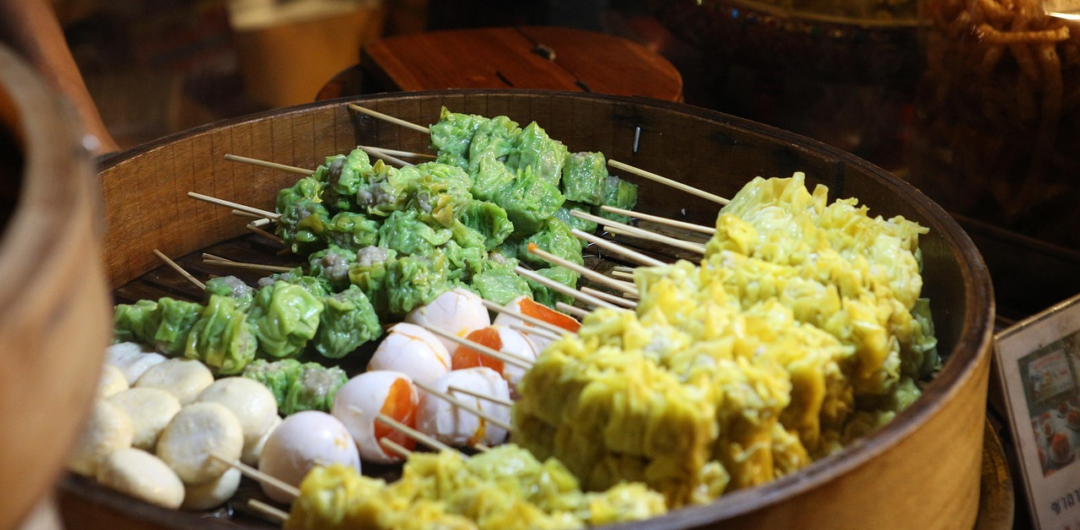
Food days still need basic structure. Opening hours, dietary needs, transport, and spending limits matter because local places do not always operate on the schedule visitors expect.
Check Hours Before Crossing Town
Family-run businesses frequently close between lunch and dinner, take one or two weekly rest days, or sell out before posted closing time. Confirming hours in the morning prevents a long trip to a locked door.
Plan for Dietary Needs
Travelers with allergies, vegetarian diets, or religious restrictions benefit from learning a few key terms before arrival. Save a short explanation in the local language and ask how dishes are prepared rather than relying on appearance.
Several checks make ordering easier:
- Ask about stocks, sauces, and garnishes.
- Confirm whether frying oil is shared.
- Learn the local terms for major allergens.
- Carry a translated allergy card for serious restrictions.
Set a Daily Food Budget
A flexible day becomes easier when spending has boundaries. Decide how much goes toward one major meal, casual snacks, drinks, and food purchases to take home. For example, spend more at dinner, keep lunch to a market plate, and choose one specialty item from a producer. That approach gives variety without letting every spontaneous stop become an expensive decision.
Food-Focused Travel: How to Find Local Flavor Without Over-planning – Let the Destination Set the Menu
Source: Unsplash
Food-focused travel becomes richer when the schedule leaves enough room to respond to what is happening around you. One reservation, one neighborhood, and one market visit already create a strong framework for the day.
The goal is to notice what people buy, which ingredients repeat, when bakeries empty, where families gather, and what local cooks are preparing that week. Those details turn a meal into part of the destination rather than another box on an itinerary.