
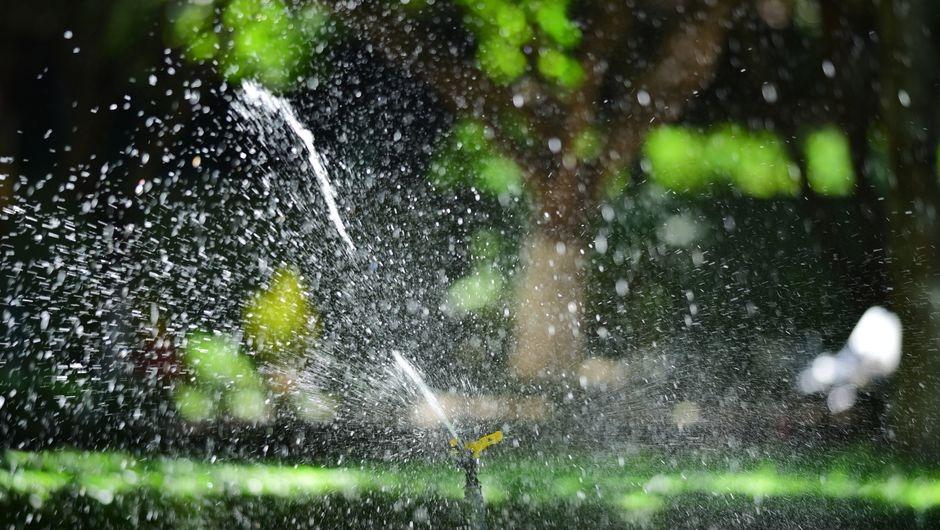
How to keep your lawn healthy. Photo credit: Pexels
A lawn responds to whatever the week hands it. Grass reacts to heat, to rain, to humidity, and to the length of the day, and it does all of that without any warning to the person mowing it. Homeowners in Palm Harbor know the pattern well, because a stretch of heavy afternoon storms can be followed almost immediately by a long dry spell that pulls every bit of moisture out of the ground.
The trouble is that most watering habits are fixed while the weather is not. A schedule chosen in spring is often still running in late summer, long after the conditions that justified it have passed. Keeping a lawn healthy through all of this is less about working harder and more about paying attention, adjusting in small ways, and making sure water actually reaches the roots that need it.
How to Keep Your Lawn Healthy When Conditions Shift Faster Than Your Routine
Most people set a watering schedule once and then leave it alone, which works perfectly well until the weather stops behaving the way it did when that schedule was chosen. Sprinkler repair becomes necessary the moment a cracked line, a tilted head, or a blocked nozzle starts sending water onto the driveway instead of the roots, and that kind of fault can go unnoticed for weeks while the grass slowly thins out.
A professional repair service is the sensible answer, since trained technicians can trace the fault, test the pressure across the whole run, and bring coverage back to where it should be. The simplest way to get that done is to hire a company that provides sprinkler repair in Palm Harbor and have the whole system checked before the next dry stretch sets in.
Reading the Lawn Before You Reach for the Hose
Grass tells you when it is thirsty, and the signals are easy to learn. Healthy blades spring back after you walk across them. When the lawn holds your footprints for more than a few seconds, the plant has lost enough moisture that it cannot stand back up on its own.
Color is the second clue. A lawn under water stress loses its bright green and shifts toward a dull blue-gray cast, usually in patches rather than all at once. Blades may also fold inward along the middle, which is the plant trying to reduce the surface area losing moisture to the air.
Checking for these signs before watering keeps you from soaking a lawn that does not need it. Over time, it also teaches you which parts of the yard dry out first, and those are the areas worth watching in every hot spell that follows.
Soil and Its Part in Holding Moisture
What happens below the surface decides how far your watering goes. Sandy ground drains quickly and needs moisture returned more often. Heavier soil holds water far longer and can stay soggy well after the surface looks dry.
Compaction makes everything worse. Foot traffic, parked vehicles, and heavy play areas press the soil tight, and water then runs across the top rather than soaking in. A simple test is to push a long screwdriver into the ground. If it goes in easily, the soil is open. If it stops short, the ground has packed down.
Aeration once a year opens compacted soil and lets both water and air reach the root zone. Adding compost or other organic material also helps, because it improves the ground’s ability to hold moisture between waterings without turning waterlogged.
Early Morning Habits That Protect Grass in Heat
Timing matters as much as volume. Watering in the early morning, before the sun gets high, gives moisture a chance to sink into the soil rather than lifting straight back into the air. It also means the blades dry through the day.
Watering in the late afternoon or evening leaves grass damp overnight, and damp grass in warm air is an invitation to fungal problems. Midday watering wastes a good share of what you put down, since much of it evaporates before it reaches anything useful.
How Rainfall Changes What the Grass Needs

A heavy storm can supply everything the lawn needs for several days, and continuing to water on top of that does real harm. Saturated ground pushes out the air roots depend on, encourages disease, and invites the kinds of weeds that thrive where drainage is poor.
A basic rain gauge takes the guesswork out of it. If the sky has already delivered a good soaking, skip the next cycle and check the soil again in a day or two. Pushing a finger a few inches into the ground is usually enough to tell you whether moisture is still present.
Signs of Trouble Below the Surface
Some problems announce themselves before the grass dies. Persistent dry patches while the rest of the yard stays green usually mean water is not arriving evenly. Water pooling in one corner or running toward the street points to drainage or grading issues.
A spongy feel underfoot often means thatch has built up between the green growth and the soil, blocking moisture from getting through. Areas that green up noticeably later than their surroundings after watering are worth marking and watching.
Catching these patterns early is far cheaper than replacing sections of lawn later.
Adjusting Your Approach Through the Seasons
Grass does not need the same care all year. During the hottest stretch, growth is fast, and demand for water is high. As temperatures ease, growth slows, and the lawn needs noticeably less.
Feeding follows the same logic. Applying fertilizer to a lawn that is already stressed by heat or drought pushes growth the plant cannot support. Feeding during active, comfortable growing conditions gives much better results.
A Simple Monthly Check for Steady Results
Once a month, walk the whole yard slowly and look at it properly. Note where the grass is thin, where it stays wet, where it browns first, and whether anything has changed since the last walk.
Write down what you find. Over a season, those notes reveal patterns that are invisible day to day, and they tell you exactly where to spend effort next.
A healthy lawn is not the product of one big effort. It comes from small, timely adjustments made by someone who is paying attention, and that habit holds up no matter what the weather decides to do next.