
Planning a family vacation usually revolves around choosing the right hotel, mapping out attractions, booking restaurants, and organizing activities everyone will enjoy. Safety often gets reduced to packing medications, checking the weather, or keeping track of travel documents.
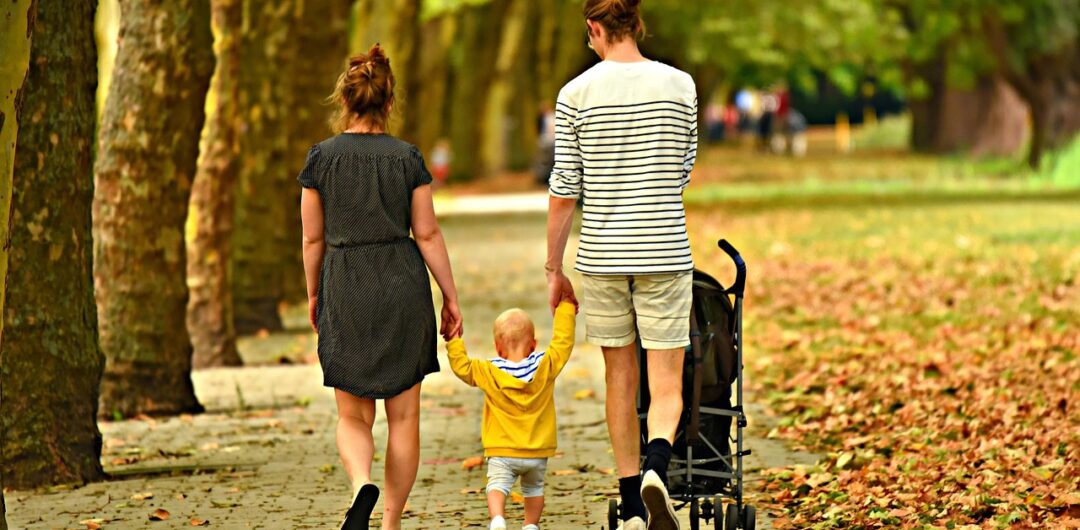
Different destinations come with different risks. Beach resorts may have slippery pool decks and poorly maintained boardwalks. Mountain towns can create hazards from uneven walkways and steep staircases. Large cities often bring crowded sidewalks, older buildings, busy parking garages, and weather-related hazards that families may not encounter at home.
Many vacation injuries happen in places families assume are regularly inspected and maintained, including hotels, restaurants, shopping centers, museums, entertainment venues, and rental properties. When unsafe conditions are ignored, a relaxing trip can quickly turn into a stressful situation involving medical treatment, missed activities, transportation issues, and legal questions.
A simple vacation safety checklist before entering a hotel, walking through a parking lot, or using shared facilities can help travelers identify problems before they become emergencies.
The Vacation Safety Checklist Most Families Don’t Think About Until It’s Too Late – Why Property Safety Can Become a Legal Issue
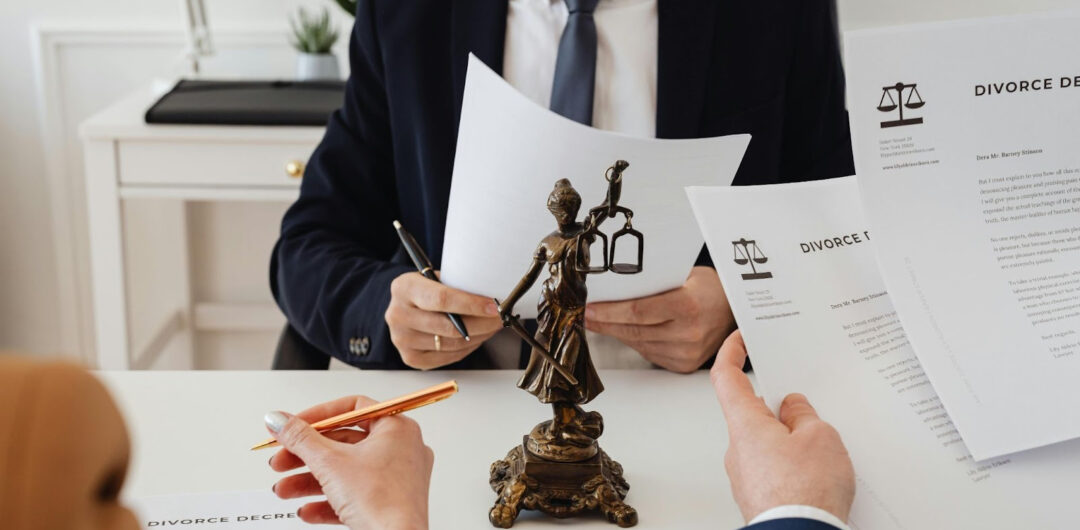
Most travelers assume public venues are kept reasonably safe for visitors. While many businesses maintain their properties responsibly, injuries can happen when hazards are ignored, poorly repaired, or left unmarked.
This is where premises liability law becomes relevant. In simple terms, premises liability refers to the legal responsibility property owners and operators may have when someone is injured because dangerous conditions were not properly addressed. These cases often involve slippery floors, damaged stairs, uneven sidewalks, loose carpeting, broken handrails, inadequate lighting, unsafe balconies, malfunctioning elevators, or poorly secured pool areas.
Travelers are especially vulnerable because they are unfamiliar with the property and surrounding environment. A visitor entering a crowded hotel lobby after rain, navigating an icy sidewalk outside a restaurant, or walking through a poorly lit parking garage may not notice a hazard until an accident occurs.
In large metropolitan areas such as Chicago, property-related injuries can become more complicated because of heavy pedestrian traffic, seasonal weather, older infrastructure, and high visitor volume. Someone injured while traveling may need to understand how local liability laws apply, which is why speaking with a Chicago premises liability lawyer can help clarify what legal options may exist after an accident involving unsafe property conditions.
Not every injury automatically leads to a valid claim. In many situations, the key question is whether the property owner knew about the hazard, should have known about it, or failed to take reasonable steps to fix the problem or warn visitors.
The Vacation Safety Checklist Most Families Don’t Think About Until It’s Too Late – Common Vacation Hazards That May Point to Negligence

Some vacation injuries result from unavoidable accidents, but others happen because dangerous conditions were left unaddressed for too long. Travelers often move through unfamiliar environments quickly, which makes hidden hazards especially risky.
Wet floors are one of the most common causes of travel-related injuries. Hotel entrances, pool decks, buffet areas, and restroom corridors can become slippery when spills are not cleaned promptly or warning signs are missing. During colder months, tracked-in snow and rainwater near entrances may create dangerous walking surfaces.
Stairways and elevators also present serious concerns. Loose handrails, uneven steps, worn carpeting, poor lighting, and malfunctioning elevators can place visitors at risk, especially families carrying luggage, strollers, or shopping bags.
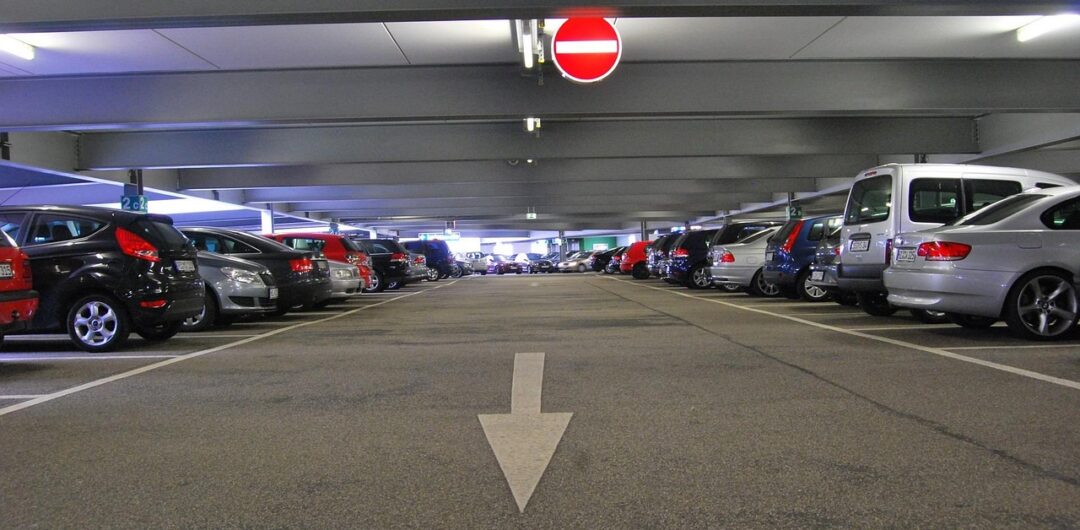
Parking lots and garages are another overlooked danger zone. Poor lighting, cracked pavement, potholes, hidden curbs, and inadequate security can create risks for travelers arriving late at night or after long drives.
Pool areas and recreational spaces require careful maintenance as well. Broken gates, missing warning signs, slippery surfaces, loose tiles, and damaged lounge areas can all contribute to injuries.
Restaurants, museums, concert venues, and tourist attractions can become hazardous when overcrowding is poorly managed. Spilled drinks, blocked walkways, loose flooring, exposed electrical cords, and insufficient crowd control may create dangerous conditions for visitors trying to navigate busy spaces.
Vacation rentals can carry their own risks because maintenance standards vary widely between properties. Travelers may encounter broken smoke detectors, unstable balconies, damaged decks, faulty locks, loose railings, or unsafe outdoor walkways.
In many cases, hazards that lead to injuries are not sudden problems. Visible wear, repeated complaints, temporary repairs, or missing warning signs can suggest that a property owner failed to respond appropriately to known safety concerns.
The Vacation Safety Checklist Most Families Don’t Think About Until It’s Too Late – What Families Should Do Immediately After an Injury
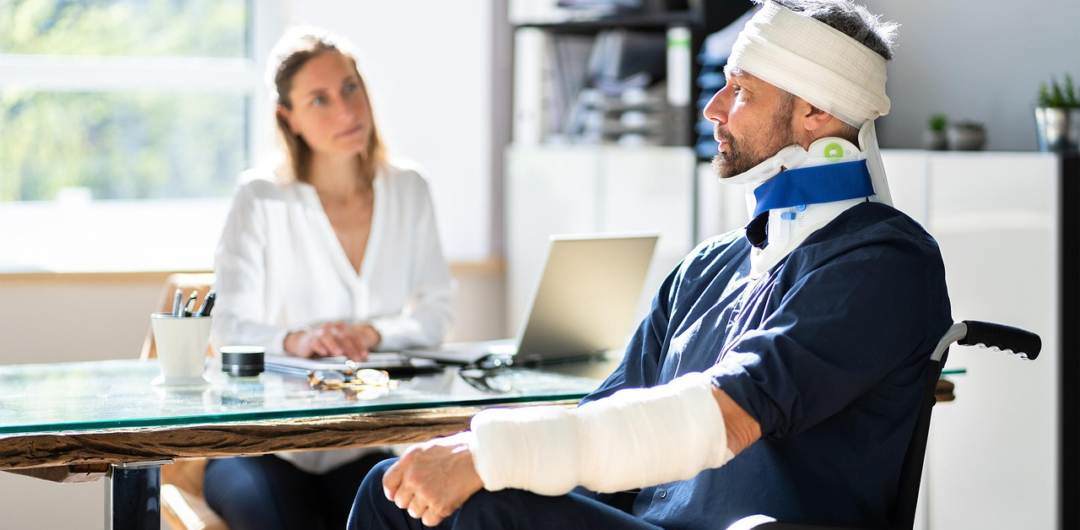
The moments after an injury can feel chaotic, especially during a vacation far from home. The steps taken immediately after an accident can make a significant difference both medically and legally.
The first priority should always be medical attention. Even injuries that seem minor at first can worsen later, particularly head injuries, back pain, sprains, or fractures. Prompt treatment also creates medical documentation that may become important if questions arise about when and where the injury occurred.
After receiving care, the incident should be reported to the property owner, hotel manager, restaurant supervisor, or venue staff as soon as possible. Families should request a written incident report and ask for a copy before leaving the property when possible.
Photos and videos can help document unsafe conditions. Travelers should capture the exact area where the injury happened, including lighting, warning signs, weather conditions, floor surfaces, damaged structures, or visible hazards. If a spill is cleaned up shortly after the accident, visual evidence may become especially valuable.
Witness information can also matter. Other guests, employees, or bystanders who saw the incident may later help confirm how the injury occurred or how long the hazard had been present.
Families should keep records connected to the injury, including medical bills, transportation expenses, prescription costs, canceled reservations, and photographs of damaged clothing or footwear.
Travelers should also be cautious about accepting quick explanations or informal offers from businesses immediately after an incident. Remaining calm, documenting the facts, and avoiding public social media posts about the injury can help prevent confusion later.
The Vacation Safety Checklist Most Families Don’t Think About Until It’s Too Late – How Location Can Affect an Injury Claim
Many travelers assume injury claims work the same way everywhere, but laws and legal procedures can vary depending on where the accident happened. An injury during a trip may involve different reporting requirements, deadlines, insurance rules, and standards for proving property owner responsibility.
Large cities often present unique challenges because hotels, restaurants, entertainment venues, apartment buildings, and mixed-use properties are packed into busy tourist areas. Weather can also play a role. In colder urban environments, property owners may be expected to address snow, ice, water accumulation, and slippery entrances within a reasonable time-frame.
Local regulations may influence how evidence is collected, how businesses handle incident reports, and how liability is evaluated. Surveillance footage from hotels, parking garages, elevators, or commercial properties may only be retained for a limited period before being deleted.
Tourists also face practical complications when they return home before fully understanding the extent of their injuries. Medical treatment may continue in another state, witnesses may become difficult to contact, and communication with insurance representatives or property owners can become more complicated over time.
Another important factor is determining who controlled the property where the injury occurred. A hotel may be operated by one company, managed by another, and maintained by outside contractors. Vacation rentals, event venues, and shopping centers can involve multiple parties sharing safety responsibilities.
In some cases, comparative fault rules may also affect how claims are evaluated. Property owners or insurers may argue that a visitor ignored warning signs, failed to pay attention, or entered an obviously dangerous area. Clear documentation can help address those questions.
The Vacation Safety Checklist Most Families Don’t Think About Until It’s Too Late – How to Document Whether a Property Owner Knew About the Hazard

One of the most important questions in many premises liability cases is whether the property owner knew, or reasonably should have known, about the dangerous condition before the injury occurred.
Some hazards leave obvious signs that they existed long before the accident. A loose handrail, cracked walkway, damaged stair tread, or flickering light in a parking garage may indicate ongoing maintenance problems rather than a sudden issue. Travelers should pay attention to visible wear, temporary repairs, stains, rust, water damage, or repeated safety concerns throughout the property.
Photographs taken immediately after the incident can help preserve evidence that may later disappear. Images should capture the hazard, surrounding conditions, warning signs, lighting levels, weather, and the general layout of the area.
Witness statements can also provide important insight. Hotel guests, restaurant patrons, employees, or nearby visitors may have noticed the same problem earlier or witnessed staff ignoring complaints before the accident occurred.
Maintenance and cleaning procedures often become relevant as well. Businesses are generally expected to inspect high-traffic areas regularly and respond to hazards within a reasonable amount of time. Records showing delayed repairs, missed inspections, or ignored complaints may help establish whether the property owner failed to act appropriately.
Surveillance footage can be valuable after injuries in hotels, elevators, parking lots, or crowded public venues. Security cameras may capture how long the hazard existed, whether employees walked past it without responding, or how the incident unfolded.
According to general injury prevention guidance, many falls and public-space injuries are linked to environmental hazards that can often be reduced through proper maintenance, lighting, repairs, and hazard awareness.
The Vacation Safety Checklist Most Families Don’t Think About Until It’s Too Late – Safety Checks Families Should Make Before Booking or Entering a Property
A few simple precautions before and during a trip can help families spot warning signs early and reduce the chances of dealing with preventable injuries.
Before booking accommodations, travelers should read recent reviews carefully instead of focusing only on photos and ratings. Complaints involving broken elevators, poor lighting, slippery walkways, unsafe parking areas, broken locks, or repeated maintenance problems may indicate larger property issues.
Families should also pay attention to the area surrounding the property. Busy streets, poorly maintained sidewalks, construction zones, dim parking garages, and isolated entrances may create additional risks, especially when arriving late at night or walking with children and luggage.
After arrival, a quick walkthrough can help identify problems. Stairways should feel stable and well lit. Handrails should be secure. Hallways and entrances should be clean and free from obvious hazards. Pool areas should have visible safety signage, secure gates, slip-resistant surfaces, and clear walkways.
Inside hotel rooms or vacation rentals, travelers should check door locks, smoke detectors, balcony stability, bathroom flooring, and emergency exits. Loose carpeting, leaking ceilings, damaged furniture, exposed wiring, or unstable flooring may signal neglected maintenance.
Weather conditions also deserve extra attention. Rain, snow, and ice can quickly create slippery entrances, sidewalks, and parking lots. Families visiting colder destinations should wear shoes with good traction and avoid rushing through crowded entrances where water collects.
For families organizing future trips, these family travel planning tips can help travelers prepare more carefully before booking accommodations and activities.
The Vacation Safety Checklist Most Families Don’t Think About Until It’s Too Late – A Safer Trip Starts Before Something Goes Wrong

Most families never expect a vacation to involve emergency rooms, medical bills, or legal questions. Trips are meant to create positive memories, which is why many travelers overlook property safety until an accident interrupts their plans.
While not every injury can be prevented, many travel-related accidents happen because hazards were ignored, poorly maintained, or left unaddressed. Wet floors, damaged stairways, unsafe pool areas, poor lighting, and neglected walkways can create serious risks for visitors who trust that businesses and property owners are maintaining safe conditions.
Taking a few extra minutes to notice warning signs, document unsafe conditions, and respond carefully after an injury can make a meaningful difference for families traveling away from home.
A thoughtful safety checklist does not need to create fear or take away from the excitement of travel. It simply encourages families to stay aware of their surroundings so they can focus more confidently on enjoying the experiences that brought them there in the first place.