
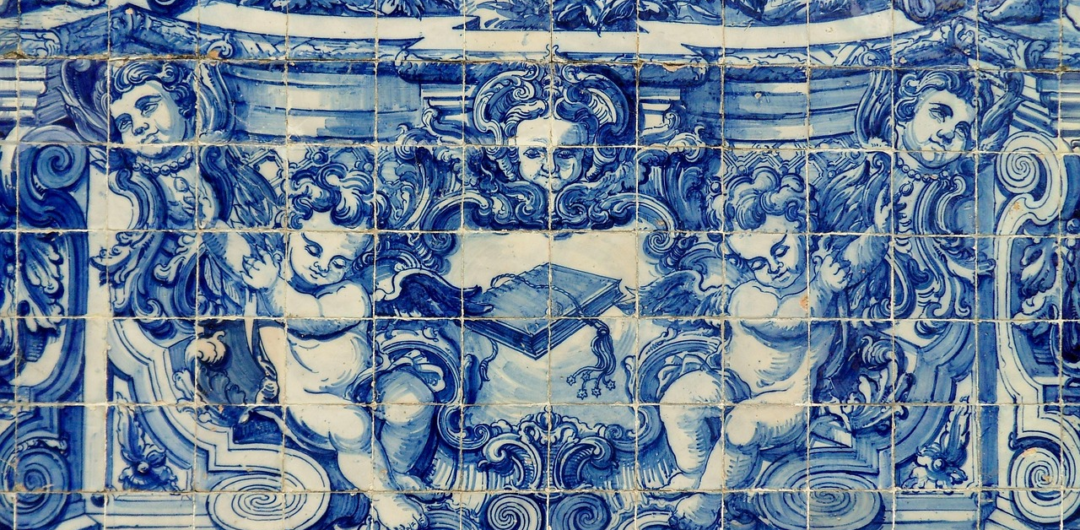
Porto, Portugal, is best understood through the senses. Its steep streets lead past tiled churches, old bakeries, riverside cafés, lively taverns, and historic cellars overlooking the Douro River. The architecture may be the first thing people notice, but the table often leaves a deeper impression. Here’s how to taste and see Porto like a local.
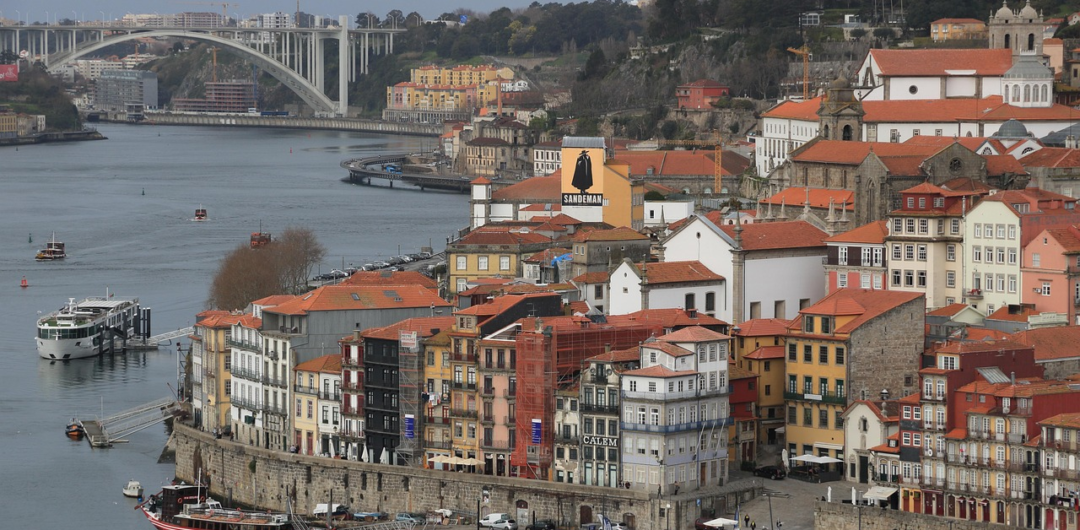
Eating and drinking are part of the city’s rhythm. A morning can begin with coffee and a pastry at a counter where regulars stand shoulder to shoulder. Lunch might bring a rich local dish served in a simple dining room. Later, a glass of Port or Douro wine can open a story about trade, geography, craft, and regional pride. For anyone hoping to move beyond sightseeing, Porto’s culinary culture offers one of the most memorable ways to experience the city.
Why Porto Is Best Explored Through Food and Wine
Porto’s compact layout makes it easy to build a day around taste. A route can move from a market hall to a family-run café, from a riverside restaurant to the wine lodges of Vila Nova de Gaia. Each stop adds a new detail to the city’s character.
The food here is generous, comforting, and deeply rooted in tradition. Dishes often lean hearty rather than delicate, while wine is treated as part of everyday culture rather than a special-occasion extra. Together, they give visitors a clear sense of place.
Those who want to connect local dishes, tasting stops, and wine traditions in one experience often use Porto food and wine tours as a starting point for exploring the city with more context. A guided route can make it easier to understand why certain meals matter, how Port became tied to Porto’s identity, and where residents go for familiar favorites.
That guidance is useful because the city is easy to enjoy but sometimes harder to interpret alone. Many people know they should try Port, yet they may not understand how it differs from other Portuguese wines. They may hear about the city’s famous steak-and-sausage sandwich, but not know why it became such a local icon. A thoughtful tasting itinerary helps turn those details into a fuller picture.
Porto Like a Local: The Local Dishes That Define the City
A Porto food experience often begins with comfort cooking. The city’s famous francesinha is among its boldest dishes: a layered sandwich filled with meat, covered with melted cheese, and finished with a warm tomato and beer-based sauce. It is rich, filling, and closely tied to the city’s personality.
Bacalhau also has a strong place on local menus. Salt cod appears across Portugal in many forms, from fritters to baked preparations, and Porto is no exception. Its appeal comes from both tradition and versatility. One restaurant may serve it as a crisp snack, while another may present it as a homestyle main course.
Small plates are equally important. Portuguese snack-style dishes can include cured meats, cheeses, olives, seafood, croquettes, or regional specialties served in modest portions. They are ideal for a tasting day because they allow people to try several things without committing to one large meal.
Seafood brings the Atlantic into the city’s kitchens. Grilled fish, octopus, sardines, and shellfish often appear on menus, especially in places that keep the cooking simple. Freshness matters more than fuss, and that direct approach says a lot about northern Portuguese dining.
Bakeries add a softer note to the experience. A custard tart with coffee, a sweet bread, or a regional dessert can become a quiet highlight between larger stops. These pauses work especially well during walking routes, giving the day a natural rhythm and a glimpse into daily life.
Port Wine, Douro Heritage, and the City’s Wine Identity
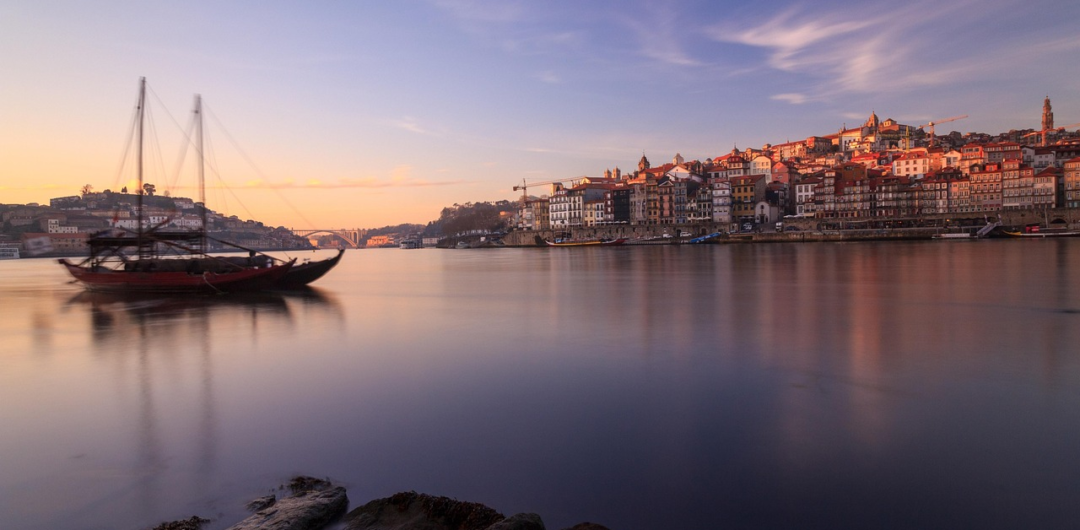
Wine is one of the main reasons Porto stands apart from other European city breaks. The Douro River is central to that story. For centuries, wine from the valley traveled downriver toward Porto and Vila Nova de Gaia, where it was aged, stored, traded, and shipped. This relationship shaped the city’s economy, architecture, and international reputation.
Port wine is the best-known expression of that connection. It is fortified, often sweet, and served in several styles, including ruby, tawny, white, and vintage. First-time tasters are often surprised by the range. A young ruby has a different character from an aged tawny, while a dry white Port can feel lighter and more refreshing than expected.
Much of this identity is tied to the historic Alto Douro Wine Region, where terraced vineyards have shaped the landscape and supported centuries of production. Understanding that link helps visitors see Porto as part of a wider regional story rather than a city known only for cellar doors.
A guided tasting can make the background easier to understand. Instead of sampling without context, guests can learn why the Douro’s climate matters, how aging changes aroma and texture, and why Gaia became so closely associated with Port lodges. The glass becomes more meaningful when connected to the river, the land, and the families who built their lives around wine.
The pace changes, too. A cellar visit encourages people to slow down, compare styles, ask questions, and notice how much of Porto’s character is tied to the water below and the vineyards beyond.
What Makes a Food and Wine Tour Feel Local?
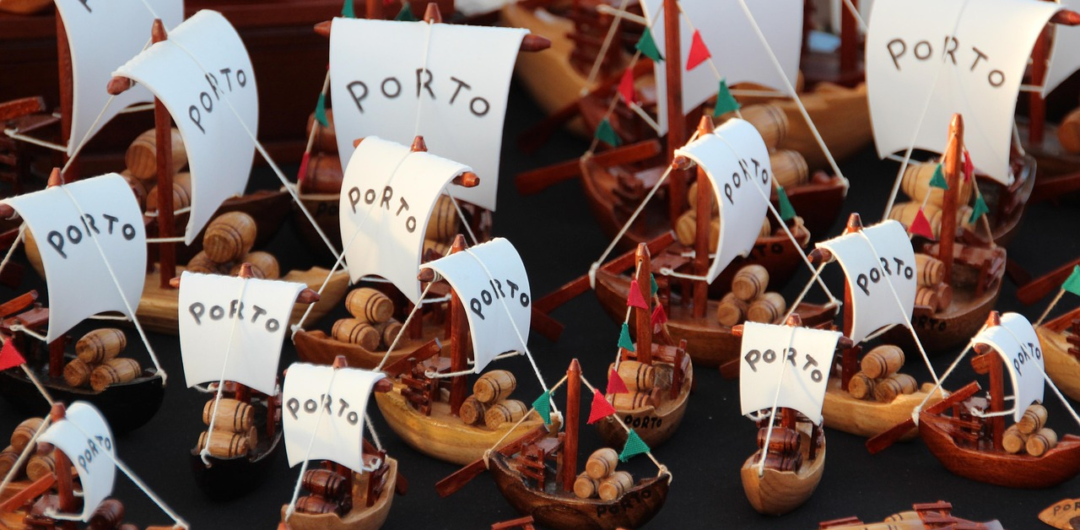
The strongest food and wine experiences in Porto feel carefully connected rather than random. A well-planned route might begin with a pastry, continue through a market, pause at a traditional tavern, and finish with a guided pour in a cellar or wine bar. The value comes from the sequence, the storytelling, and the reason behind each stop.
Local insight matters. A guide can explain when certain dishes are usually eaten, which recipes are tied to family meals, and how dining habits shift from morning to evening. This keeps the experience from becoming a checklist. A famous dish gains meaning. A glass of Port becomes part of a larger cultural story.
Group size can also shape the day. Smaller tours often allow for better conversation, easier movement through narrow streets, and more personal recommendations. Porto’s older districts are full of hills, tight lanes, and compact dining rooms, so a flexible pace can make the outing more enjoyable.
The atmosphere is part of the appeal. The sound of plates in a busy tavern, the smell of fresh pastry, the view from a riverside walk, and the quiet of a cellar all contribute to the memory. Food and wine remain the focus, but the spaces around them help define the experience.
The best routes balance familiar highlights with less obvious discoveries. Many visitors expect Port and a few classic plates. The lasting memories may come from a family-run restaurant, a market ingredient, a local pairing, or a snack that rarely appears in standard guidebook lists.
Slow Travel Moments Between Tastings
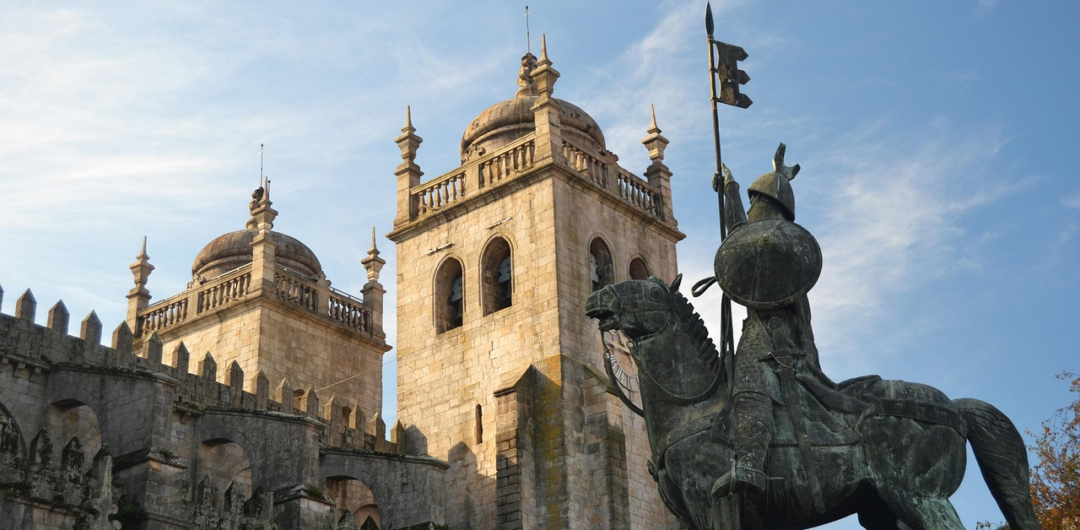
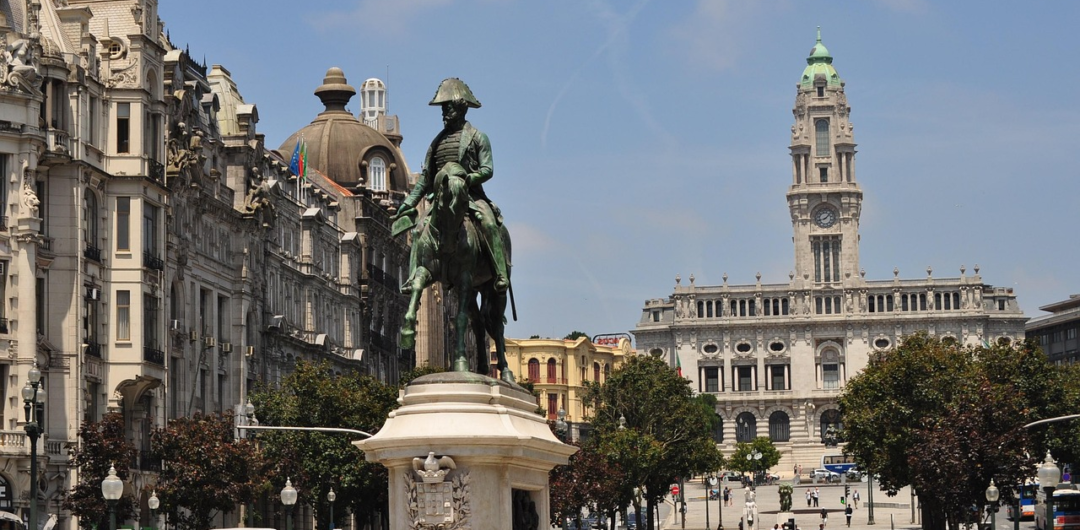
Porto rewards people who take their time. Its hills can be demanding, but they also create natural pauses. After a tasting, a short climb might lead to a viewpoint over red rooftops. After lunch, the riverfront offers room to wander. Between wine stops, crossing the Dom Luís I Bridge can become one of the day’s standout memories.
This slower rhythm is especially valuable for anyone who thinks of travel through food. For the kind of culinary tourist who plans a trip around culture, meals, and local habits, Porto offers many ways to connect taste with place. Wine feels different beside the Douro. A market bite gains depth when tied to a daily routine. A traditional plate becomes easier to appreciate with a bit of explanation.
A measured pace also prevents tasting fatigue. Porto’s cuisine can be rich, and fortified wine adds up quickly. Breaks between stops make the day more comfortable and give people time to absorb their surroundings.
Some of the best moments are unplanned. A second coffee in a welcoming café, a detour into a shop selling regional products, or a quiet pause by the river can give the outing more texture. A well-designed tour can provide structure while still leaving space for those small discoveries.
Tips for Planning a Porto Food and Wine Day
Comfortable shoes are essential. Porto is beautiful, but its slopes and cobblestones can make even a short route feel demanding. Since tasting experiences often involve walking from one area to another, it helps to dress for movement.
Meal planning also matters. A heavy breakfast before a food tour can make the experience less enjoyable, especially if several tastings are included. A lighter start leaves more room for savoury dishes, pastries, and wine pairings.
Timing can shape the mood of the day. A daytime route works well for markets, bakeries, and casual stops. An evening experience may feel more atmospheric, especially if it includes wine bars, taverns, or sunset views near the river. Both options can work, depending on the preferred pace.
It is also important to be mindful of Port. It is often stronger and sweeter than people expect, so it is best enjoyed slowly. Drinking water, eating enough food, and leaving time between pours can make the experience more pleasant.
Consider including both Porto and Vila Nova de Gaia. The two sit across the river from each other, but each offers a different perspective. Porto brings historic streets, cafés, restaurants, and markets. Gaia adds cellars, lodge visits, and some of the best views back toward the city.
Leave room for spontaneity, even with a planned route. A bakery window, a handwritten menu, a quiet wine bar, or music near the river can become part of the day. The best itineraries allow those moments to happen naturally.
In a Nutshell
To taste Porto like a local, people need time, curiosity, and a willingness to follow the city through its kitchens, cellars, cafés, and markets. The experience begins with classic dishes and continues through seafood, pastries, small plates, and glasses of wine connected to the Douro Valley.
Food and wine reveal how Porto gathers, celebrates, works, and remembers. A thoughtful tasting route can turn a visit into something deeper than sightseeing because each stop adds context to the streets, the river, and the people who live there.
Porto is a city to walk, see, and photograph, but it is also a city to taste slowly. The most memorable moments often happen at the table, in a cellar, beside the river, or during an unplanned pause between one local taste and the next.