
Cultural differences can be a source of genuine confusion for visitors. While Americans often view these habits as standard, efficient, or polite, many Europeans find them puzzling, excessive, or even overwhelming.
Here are 20 “normal” American habits and customs that frequently leave European visitors scratching their heads.
Editor’s note: Europe is a massive, diverse continent with 44+ countries. What is true in a small village in Italy may be completely different from a bustling metropolis like London or Berlin.
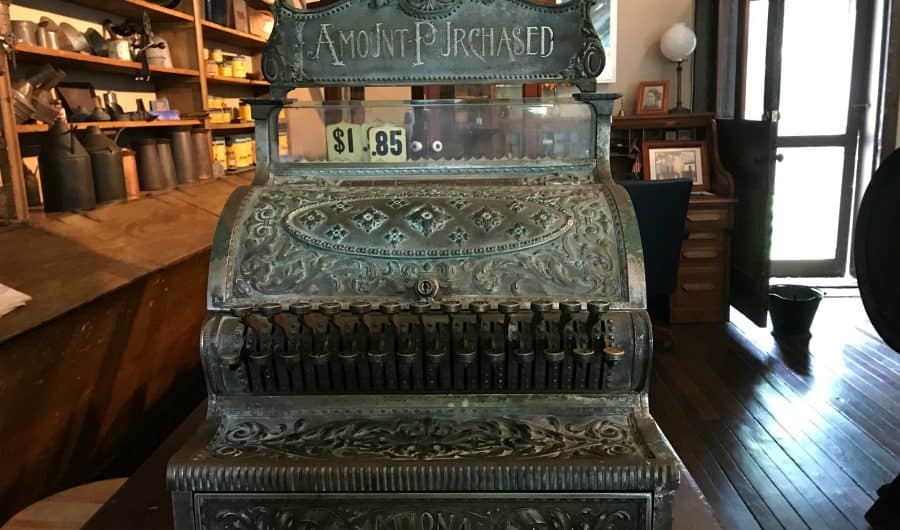
1. Sales Tax is Not Included
In most of Europe, the price you see on the tag is the price you pay at the register. Americans are used to calculating tax—or waiting until the total is rung up—which feels like a “guessing game” to foreign visitors.
2. Tipping Culture
The American expectation to tip 15%–25% for nearly every service (waiters, bartenders, hairdressers, even food delivery) is a major shock. In many parts of Europe, a small gratuity for exceptional service is appreciated, but it is rarely mandatory for a “living wage” to be paid.

3. Portion Sizes
“Super-sizing” is real. From massive soda cups to plates of food that could arguably feed three people, the sheer volume of food served in American restaurants is a frequent point of amusement and disbelief for Europeans.
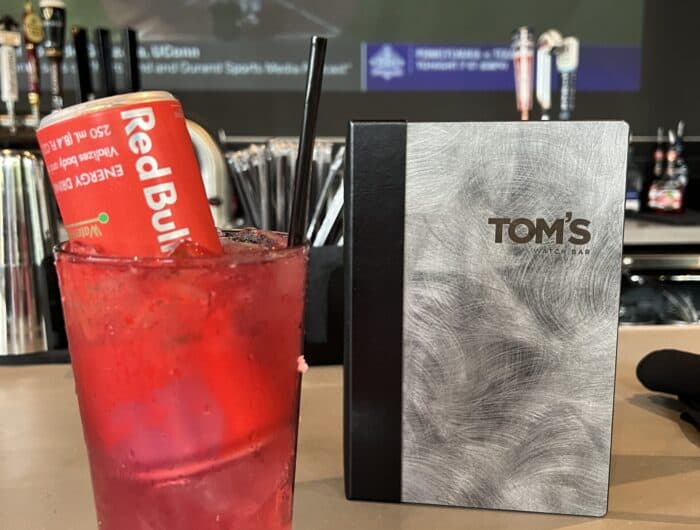
4. Drinks Filled to the Brim with Ice
In the U.S., a glass is often 70% ice and 30% beverage. In many parts of Europe, folks prefer their drinks at room temperature or only lightly chilled. This feels like an attempt to give them less product for their money.
5. Unlimited Free Refills
The concept of a server bringing you a second soda for free—often before you’ve even finished the first one—is essentially unheard of in much of Europe.
6. “How Are You?” as a Greeting
For an American, “How are you?” is just a synonym for “Hello.” Europeans, however, often take the question literally and feel confused when the cashier doesn’t actually want to hear a detailed update on their health or personal life.
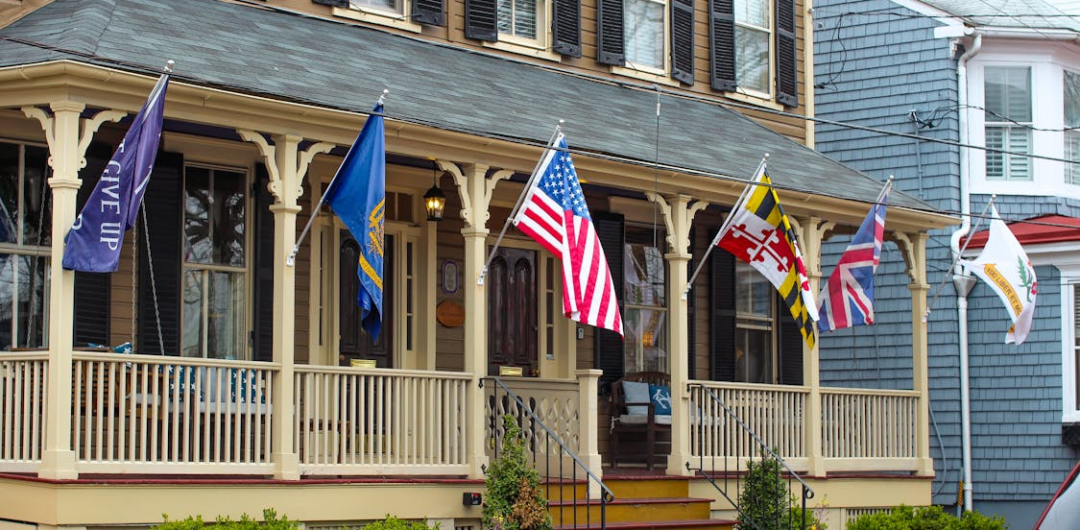
7. Flag Worship
The omnipresence of the American flag—on homes, businesses, and even car dealerships—strikes many Europeans as intense. While patriotism is common, displaying the national flag in such high frequency is much more rare in most European countries.
8. Driving Everywhere
Because much of the U.S. is built for cars rather than pedestrians, the lack of walkability and the dependence on personal vehicles is a major culture shock for those used to robust public transit and dense, walkable city centers.
9. Right Turn on Red
The ability to turn right at a red light after a full stop is a quintessential American traffic rule. Many Europeans find this concept dangerous or baffling, as it is strictly prohibited in most of their home countries.
10. The “Small Talk” Phenomenon
Americans are famous for being overly friendly with strangers. Striking up a deep, personal conversation with a random person in a grocery store line is often viewed as charmingly authentic by some, but intrusive or bizarre by others.
11. Over-the-Counter Medicine Availability
The sheer volume and variety of medications available in an American grocery store (without a prescription) can be overwhelming. In many European countries, even basic pain relievers are often kept behind the pharmacy counter.
12. Garbage Disposals
The kitchen sink “grinder” is a staple in many American homes. Europeans, who are used to being meticulous about food waste disposal in the trash, often find the idea of putting scraps down the drain loud and unsettling.
13. Bathroom Stall Gaps
The significant gaps in the sides and bottom of American public bathroom doors are a frequent complaint. Europeans, who are accustomed to full-length, private doors, often feel exposed and uncomfortable in U.S. restrooms.
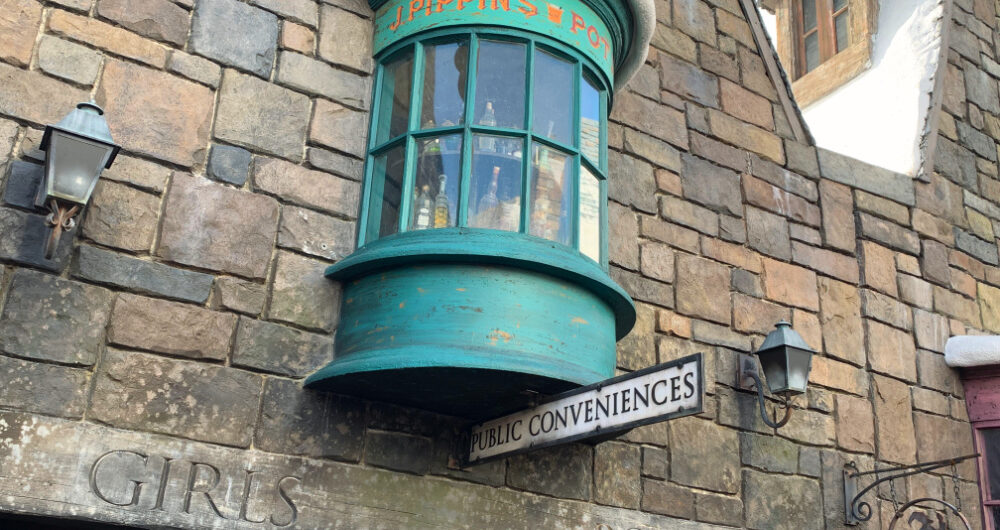
14. Free Public Restrooms
On the flip side, Americans are often shocked when they visit Europe and have to pay to use a toilet in busy areas like train stations. In the U.S., in public buildings, the facilities are almost always free. Note: “pay-to-use” bathrooms are often a management tool to maintain cleanliness and prevent misuse in high-traffic areas.
15. The “Can-Do” Attitude
Americans are often noted for their relentless optimism and tendency to say “anything is possible.” While this is a cultural strength, some Europeans find it exhausting or even superficial compared to a more pragmatic, grounded perspective.
16. Casual Attire
The American tendency to wear sweatpants, athletic wear, or baseball caps in public settings (like airports or nice restaurants) is quite different from the “smart casual” standard often expected in European urban centers.
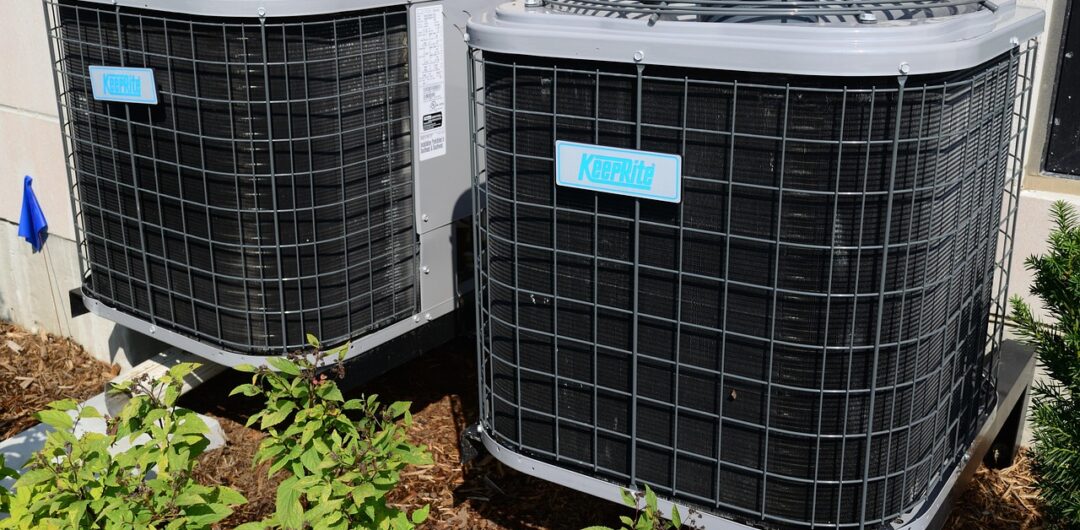
17. Extreme Air Conditioning
“A/C at full blast” is a common complaint. Many Europeans find the sub-zero temperatures in American offices and movie theaters excessive, especially when it is perfectly mild outside.
18. Loudness in Public
Visitors often remark that Americans seem to “dial up the volume” in public spaces. Whether it’s talking on the phone or laughing in a restaurant, the conversational volume in the U.S. is generally perceived as much higher than in Europe.
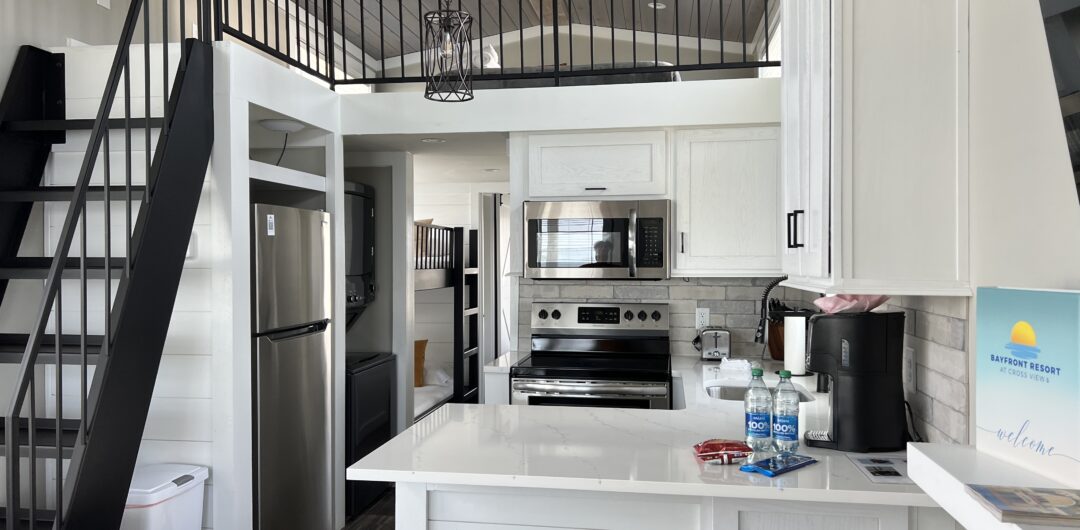
19. Kitchen Appliance Sizes
Large, double-door refrigerators and massive ovens are the standard in the U.S. In many European apartments, kitchen appliances are significantly smaller, reflecting a lifestyle of shopping for fresh food more frequently.
20. Lack of Screens on Windows
Many Europeans find it bizarre that American windows don’t have screens to keep bugs out. For an American who grew up with mesh screens, the idea of having to leave a window “open to the elements” (and the insects) is the true nightmare.